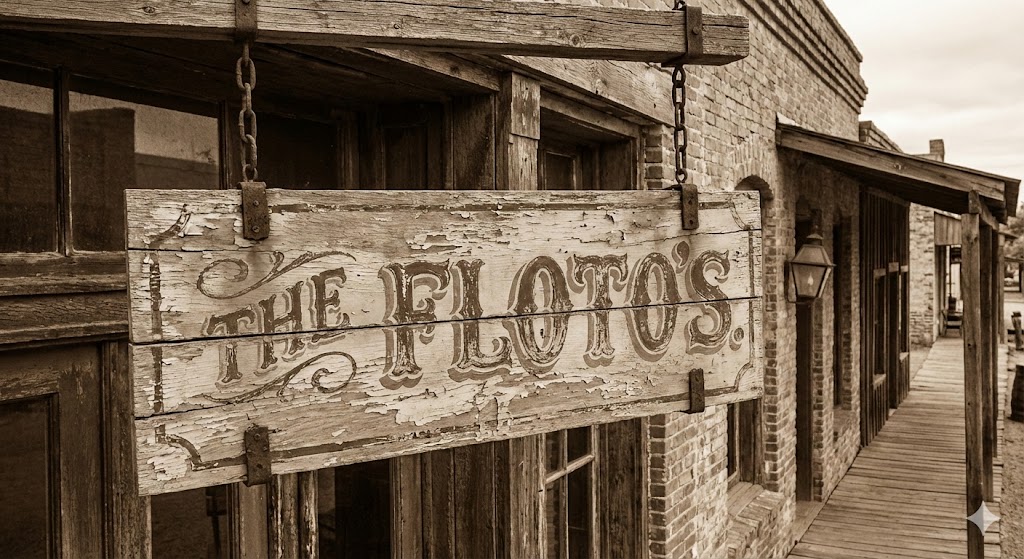
The journey that brings us back to our roots in the Midwest
The story of the Floto name begins long before we arrived in America. It starts over 800 years ago in the Weser Uplands of Germany.
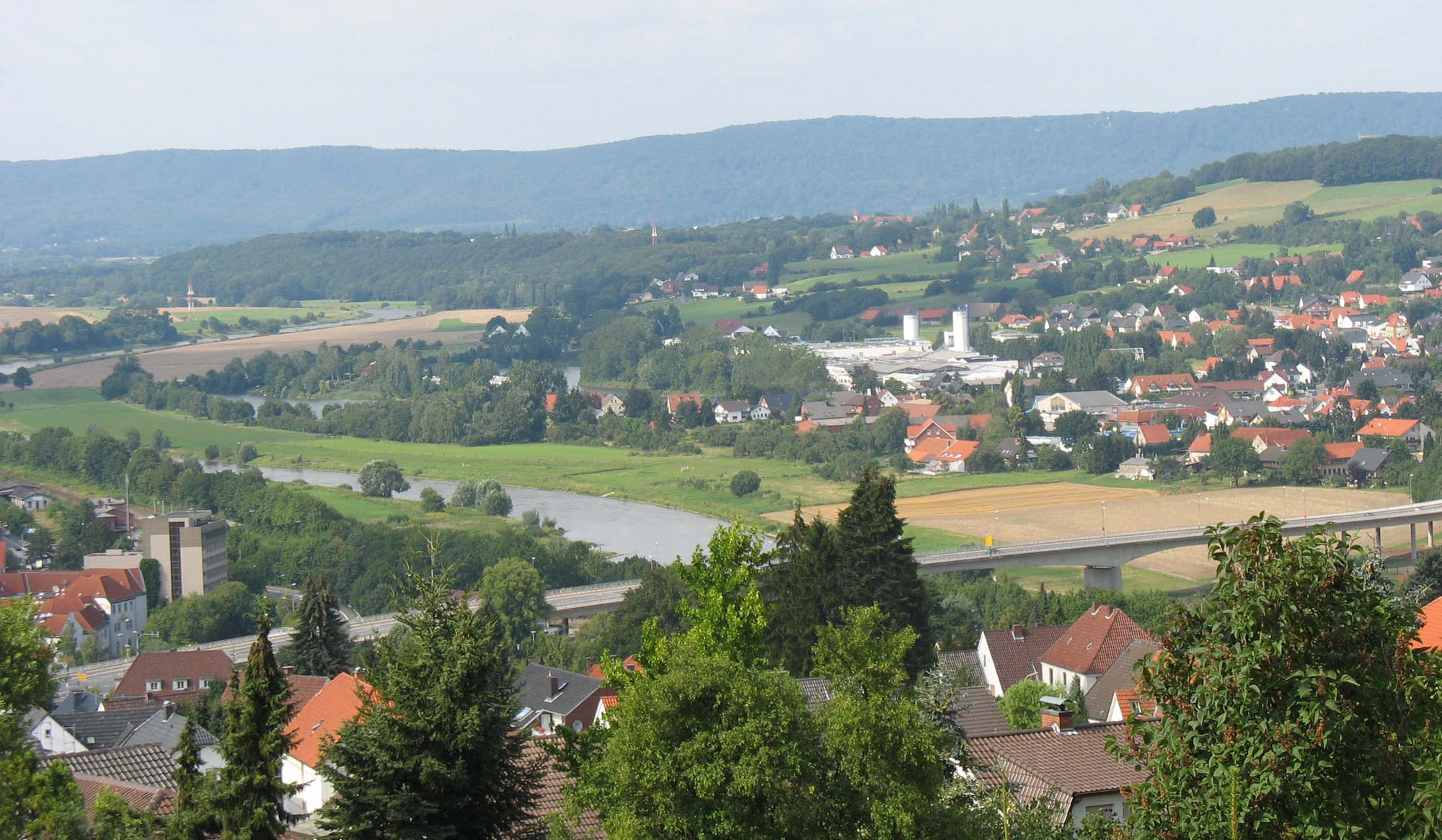
Our name is a "toponym", a name derived from a place. That place is the town of Vlotho (pronounced Flo-to), located along the Weser River. First recorded in history in 1185 AD, the name comes from the Old High German words for "River" and "Meadow."
In medieval Germany, most people did not have surnames. If a man named Heinrich left the town of Vlotho to settle in a neighboring village, he would simply be known as "Heinrich von Vlotho." Over centuries, the "von" was dropped, the spelling settled phonetically, and our family name was born. We are, quite literally, the people of the river meadow.
While our name comes from the town of Vlotho, our specific branch of the family tree likely took root in the tiny, neighboring village of Merxhausen.
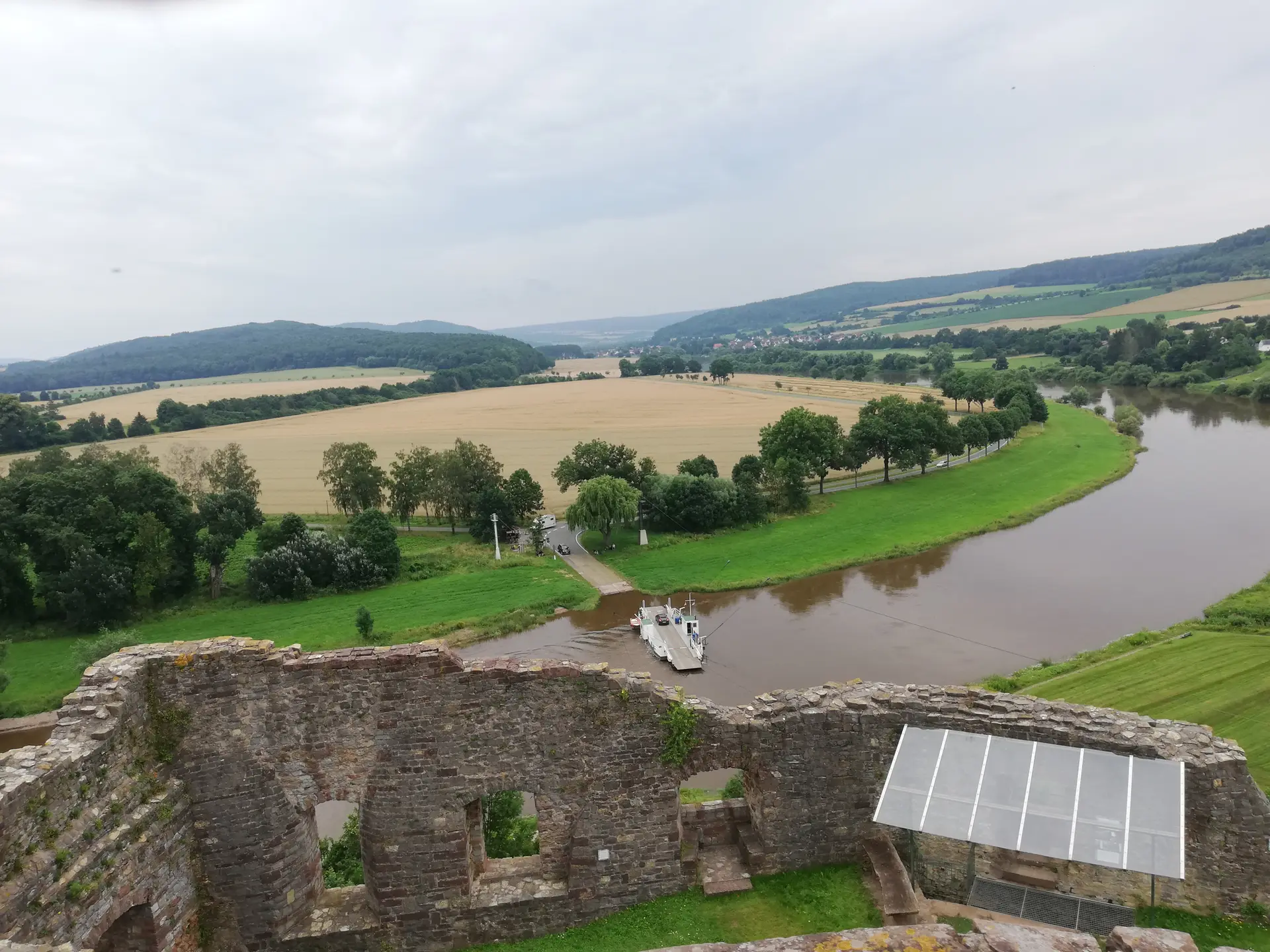
Located just 30 miles south of Vlotho, this small hamlet in the district of Holzminden is where the Floto clan became established. Church records from the 1600s and 1700s show generations of Flotos living, farming, and raising families in this quiet valley, surviving the Thirty Years' War and the shifting borders of Europe.
In the mid-19th century, the call of the "New World" reached Lower Saxony. Our ancestor, Louis Ludwig Floto, made the momentous decision to leave the only home his family had known for centuries.
Leaving behind the Weser Valley, he crossed the Atlantic and found his way to the rich, fertile soil of the Midwest. It is a poetic coincidence that he chose to settle along the banks of the Rock River, trading one river valley for another.
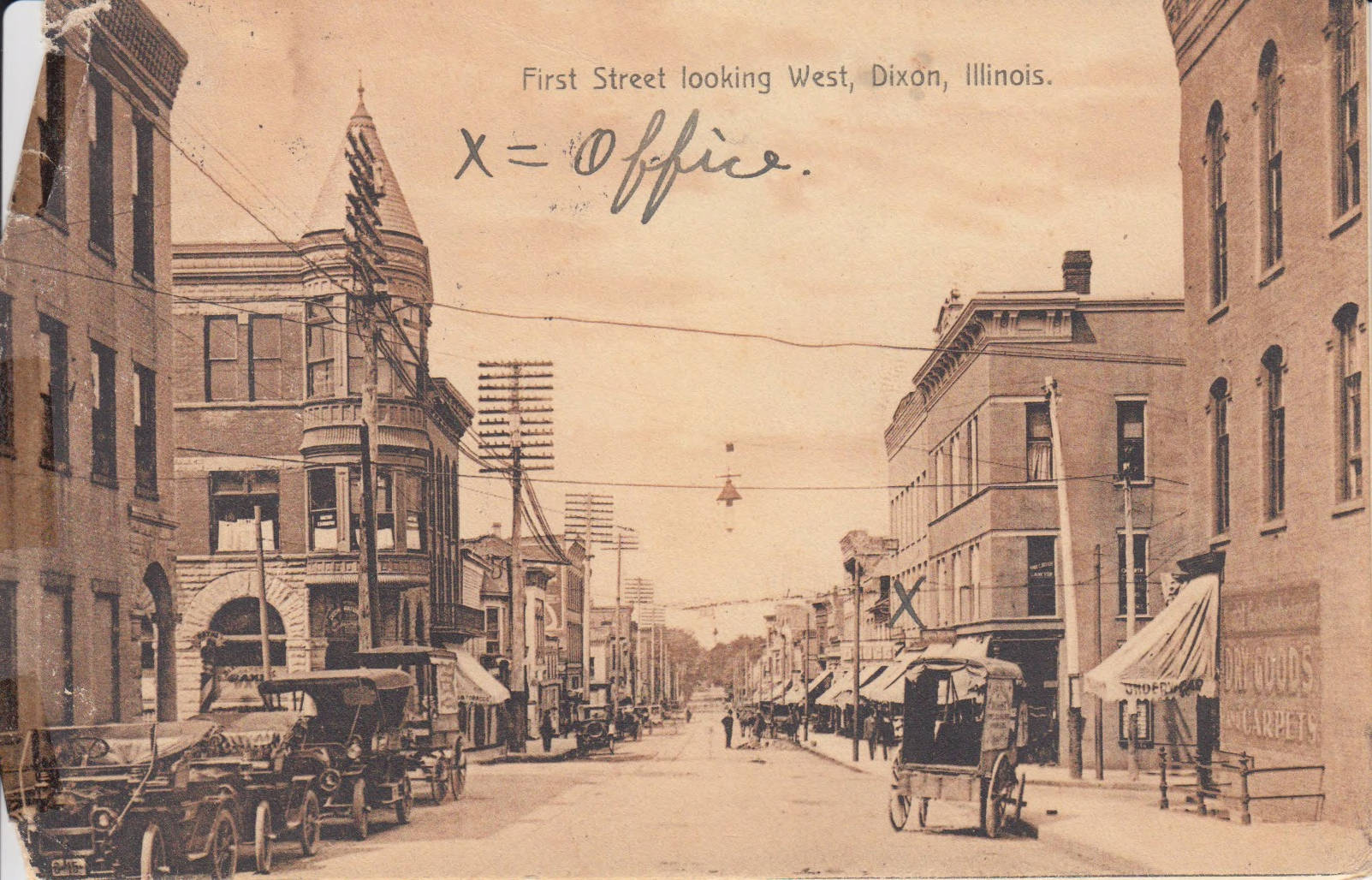
By the 1860s, the Flotos were no longer just German villagers; they were Midwest pioneers. From early settlers breaking ground in river towns to the generations that followed, the name became woven into the fabric of the Midwest.
The Floto name even traveled beyond our family. The famous Sells-Floto Circus, which toured America from 1906 to 1938, carried our surname on train cars from coast to coast. Named after co-owner Frederick Gilmer Floto, a Denver-based journalist and distant cousin to our Midwest branch, the circus brought the name recognition that reached far beyond the quiet farming communities where our ancestors settled. Whether it was circus performers under the big top or the quiet farmers and tradesmen building communities in prairie counties and river towns, the Floto legacy is one of resilience and reinvention.
We are the Flotos: Deep roots in Germany, strong branches in the Midwest, and a history that continues to grow.
While the Flotos were putting down roots along the Rock River, another family was beginning their own journey across continents, carrying with them a name that meant "New Brightness."
The name Neibert (originally Neubert) carries a meaning of optimism. Derived from the Old German words "Neu" (New) and "Berht" (Bright or Famous), it translates roughly to "New Glory" or "New Brightness." It is a fitting name for a family that would eventually travel halfway around the world to find a new beginning.
While the name is German, the family's deep roots lie in the shifting borderlands of Central Europe, specifically in Bohemia (modern-day Czech Republic).
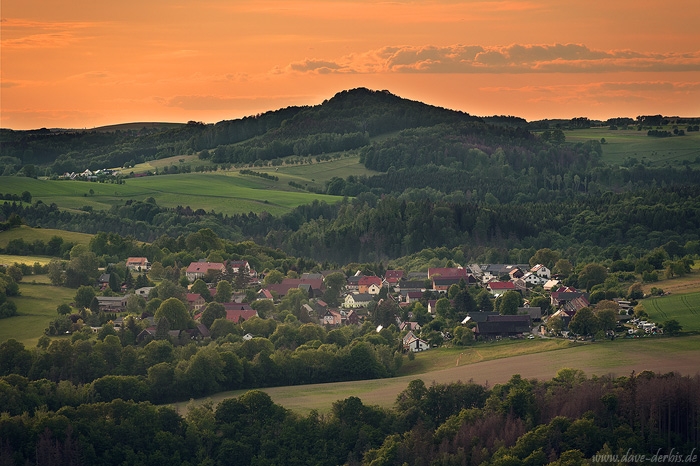
For centuries, the Neiberts were likely Sudeten Germans, ethnic Germans living in the mountainous rim of the Bohemian kingdom. In these industrial highlands, famous for glass-making and textiles, families spoke a unique dialect that softened the "u" in Neubert to the "i" in Neibert. They were a people caught between empires, often listing their homeland as "Austria," "Germany," or "Czechoslovakia" depending on which flag was flying over their village that decade.
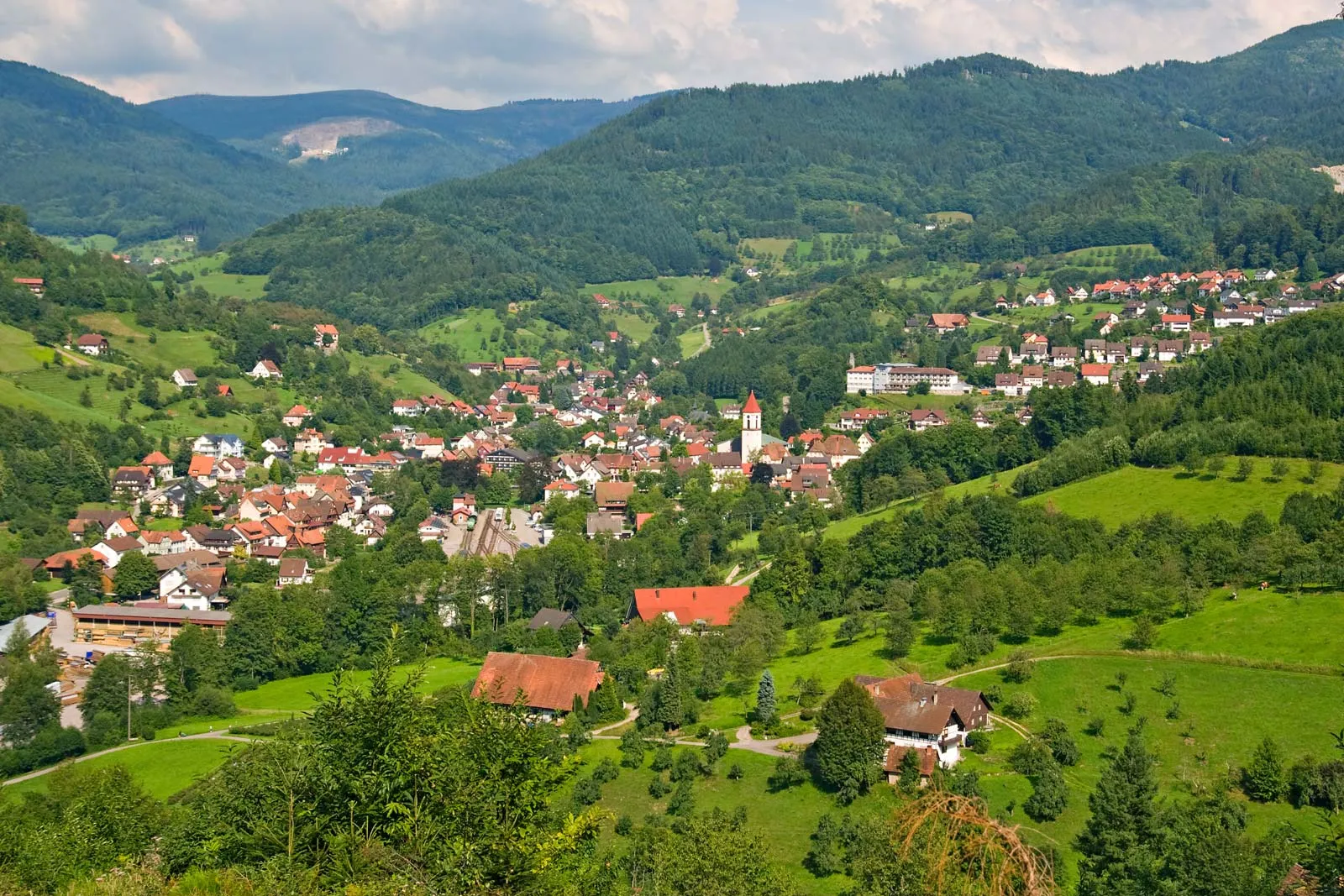
The Neibert (later spelled Nebert) story is one of movement. Many families from the Sudeten region followed a distinctive migration pattern, first moving East into Russia (becoming the "Volga Germans") before eventually turning West toward America. While we cannot confirm with certainty that our direct ancestors took this exact route, the cultural markers and migration timing suggest our family was part of this broader wave of German families seeking new opportunities across multiple continents.
This heritage, part German, part Slavic-influenced, gave the family a unique cultural identity. They were resilient travelers who brought with them the traditions of the "Old Country," including hardy recipes and a tight-knit sense of community.
When the Neiberts arrived in America in the late 19th century, they followed the rails.
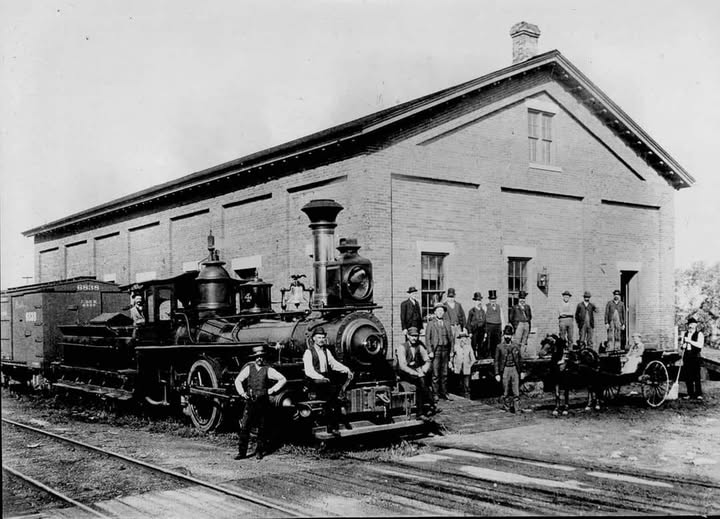
The first chapter of their American life was written in the Midwest, where the family split into two distinct paths: the urban tradesmen building city skylines and the farmers tilling the soil in prairie country.
But for many, the journey didn't end there. Following the westward expansion of the railroads, a branch of the family pushed all the way to the Pacific Ocean, settling in Portland, Oregon. In neighborhoods like Albina, they re-established their community, working in the mills and railyards of the Pacific Northwest.
From the mountains of Bohemia to the cornfields of the Midwest and the pine forests of Oregon, the Neibert name stands as a testament to a family that was never afraid to seek out "New Brightness", and that journey continues today.